Industry news
US transformer lead times reach four years: why testing the existing fleet matters more
Utilities and developers in the United States are waiting longer than ever for power transformers. Analysts at PwC put lead times for high-capacity units at up to four years, according to a Reuters Events report summarised by ESS News and pv magazine in May 2026. Manufacturers are responding with new factories, but most of that capacity will not be producing before 2028.
What the numbers say
- Lead times: up to four years for high-capacity transformers (PwC, via Reuters Events).
- Demand: between 2019 and 2025, demand for generator step-up transformers rose 274 % and for substation transformers 116 % (Wood Mackenzie).
- Prices: industry experts estimate that transformer prices have risen roughly 80 % over the last five years.
- New capacity: Hitachi Energy announced about US$1 billion of US grid manufacturing investment in September 2025, including a US$457 million transformer plant in South Boston, Virginia, expected to be operational by 2028 (Utility Dive). Siemens is building a US$421 million transformer factory in Charlotte, North Carolina.
Demand comes from several directions at once: renewable generation and storage that each need step-up transformers, new substations for data centres and industry, and the replacement of an ageing fleet.
Why it matters for testing
When a replacement transformer is three or four years away, the transformers already in service have to last longer, and a failure costs far more than the unit itself. That shifts attention to three kinds of testing.
1. Condition assessment of the existing fleet
Utilities need to know which units are healthy, which need maintenance and which are at risk. A routine diagnostic set covers the main failure modes:
- Tan delta and capacitance of windings and bushings, for moisture and ageing of the insulation.
- Insulating oil breakdown voltage and acidity, for the condition of the oil.
- Winding resistance and on-load tap changer tests, for contact and connection problems.
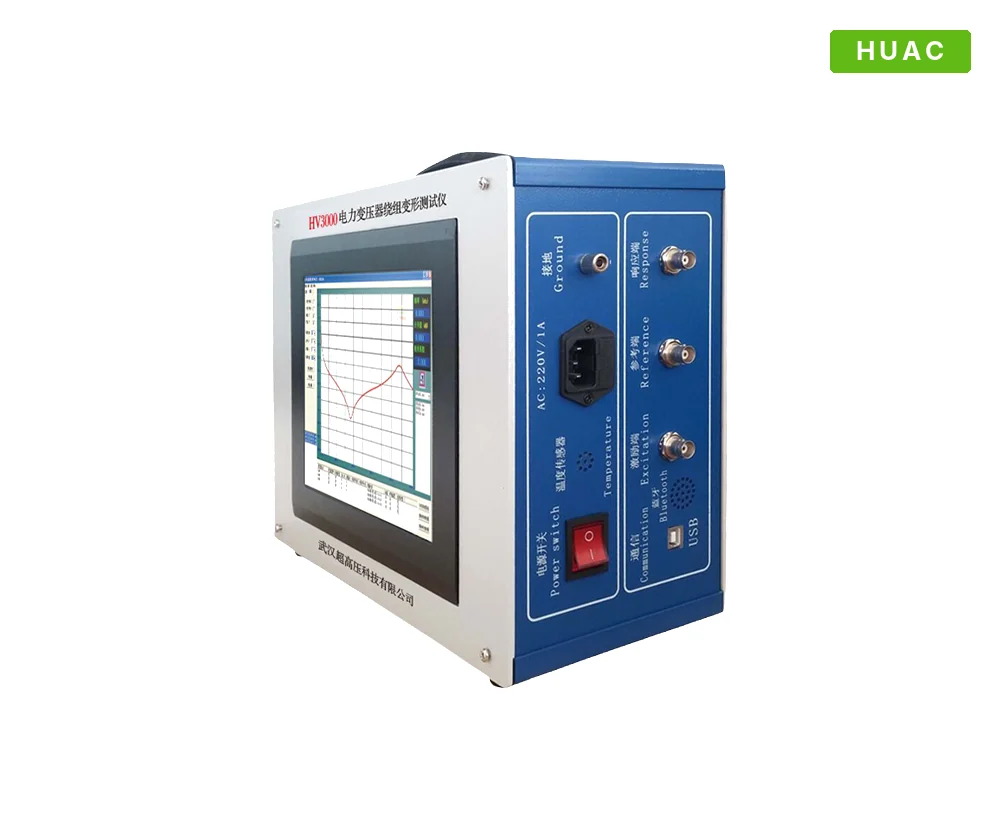
- Sweep frequency response analysis, for winding movement after faults or transport.
2. Acceptance testing of new and relocated units
A transformer that waited years for delivery must not fail at commissioning. Ratio, winding resistance, insulation and SFRA tests on arrival confirm that nothing was damaged in transport, and the SFRA trace becomes the fingerprint for every later comparison. Spare units moved between substations deserve the same checks.
3. Trend data for planning
Results recorded in the same way, test after test, let asset managers rank units by risk and decide where to spend scarce replacement budgets. That makes consistent instruments and test procedures as important as the individual readings.
What to read next
For the test methods themselves, see our guides to the tan delta test, winding resistance and short-circuit impedance vs SFRA, or browse all transformer test equipment.
Sources
- ESS News / pv magazine USA, "US transformer market faces severe supply constraints as lead times extend to four years", 11–12 May 2026.
- Utility Dive, "Hitachi unveils $1B grid manufacturing investment", September 2025.